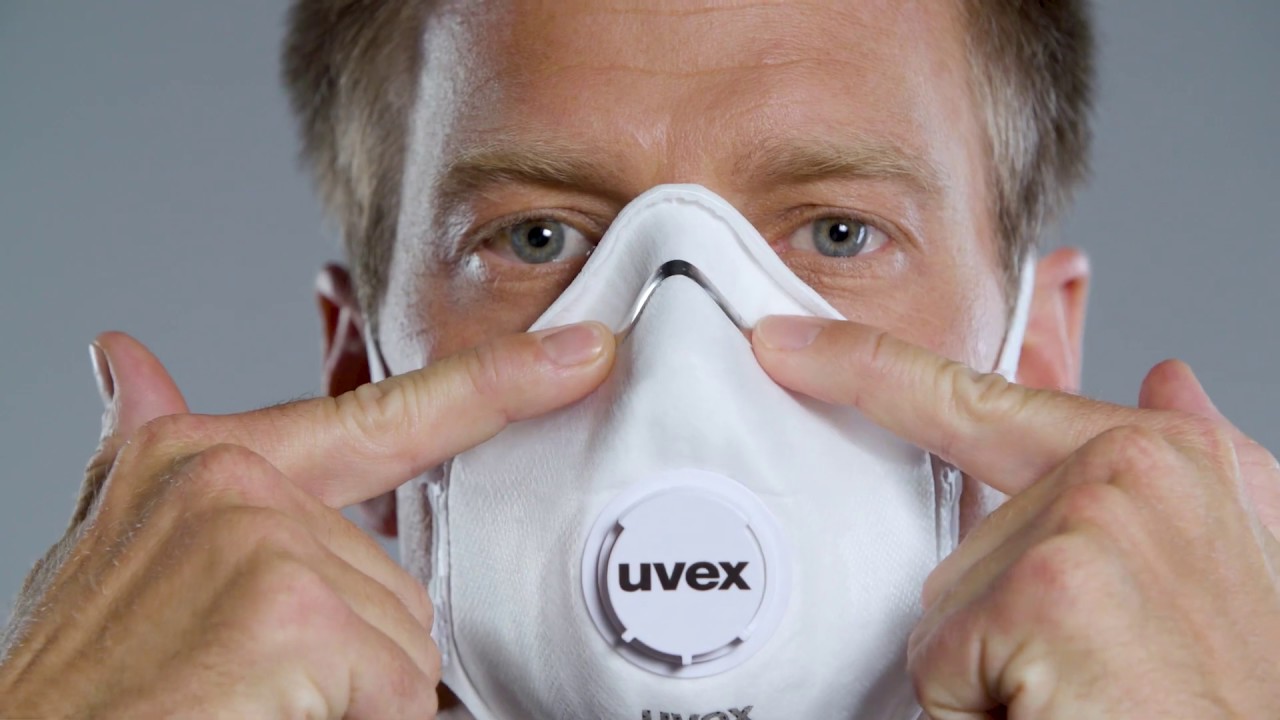
The Foundation: What Exactly is an FFP2 Mask?
An
FFP2 mask is more than just a piece of fabric; it's a meticulously engineered filtering facepiece respirator (FFP) designed to offer significant protection against airborne hazards. The "FFP" designation itself tells us it's a device that covers the nose, mouth, and chin, forming a close seal against the wearer's face. The "2" in FFP2 signifies its specific level of protection within the European Union's standardized framework.
Originally conceived and primarily utilized for occupational safety in industries where workers faced exposure to fine dust, smoke, and liquid aerosols, the FFP2 mask surged into public consciousness during the COVID-19 pandemic. Its proven efficacy in filtering out microscopic viral particles led to its widespread adoption, and in many European countries, its use became a mandatory measure in public spaces to curb the airborne transmission of viruses. This shift highlighted the critical role these respirators play not only in industrial settings but also in safeguarding public health during crises.
Decoding EN 149: The Gold Standard for FFP2 Certification
The protective prowess of an FFP2 mask isn't left to chance; it's rigorously defined and governed by a stringent European standard: EN 149:2001+A1:2009. This technical regulation serves as the bedrock for FFP2 certification, outlining the indispensable minimum performance criteria that any FFP2 mask must satisfy to earn its designation and bear the associated markings. For consumers and professionals alike, understanding EN 149 is crucial to verifying the authenticity and protective capability of an FFP2 mask.
Filtration Efficiency: The 94% Promise
At the heart of EN 149 lies the requirement for exceptional filtration efficiency. An FFP2 mask must demonstrate that its filter material can capture at least 94% of airborne particles. This isn't a simple visual check; it's a precise laboratory test involving specific aerosols.
Manufacturers typically challenge the mask material with two types of test aerosols:
- Sodium Chloride (NaCl): Used to assess filtration against non-oily particles.
- Paraffin Oil: Utilized for testing against oily particles, which can present a different challenge to filter media.
A crucial aspect of these tests is the particle size, generally around 0.3 microns. This specific size is often referred to as the "Most Penetrating Particle Size" (MPPS) because particles both larger and smaller than 0.3 microns are typically filtered more efficiently. Larger particles are intercepted directly, while smaller ones are captured by Brownian motion. By testing against the MPPS, the standard ensures that the mask performs effectively even against the hardest-to-capture particles. This dual-aerosol and MPPS testing regimen makes the FFP2 standard particularly robust, offering comprehensive protection against a wide array of fine dusts, smokes, liquid aerosols, and indeed, microscopic viral particles.
Total Inward Leakage (TIL): Beyond Just the Filter
While filtration efficiency is paramount, a filter is only as effective as the seal it maintains against the wearer's face. This is where the concept of Total Inward Leakage (TIL) becomes critical. TIL measures the overall amount of aerosol that manages to enter the mask – not just through the filter material itself, but also through any gaps or imperfections in the face seal.
To achieve FFP2 certification, the maximum allowable TIL rate is a mere 8%. This strict limit underscores the importance of a tight fit. The testing for TIL is ingeniously designed to simulate real-world usage conditions:
- Human Subjects: Tests are conducted on a panel of human subjects.
- Dynamic Movements: These subjects perform a series of specified head and body movements, such as walking, bending, and speaking, to mimic the various actions a person might take while wearing the mask.
This dynamic testing ensures that the FFP2 mask not only filters effectively but also maintains its critical seal under movement, providing consistent protection. A high-quality filter is rendered ineffective if the mask leaks significantly around the edges, allowing unfiltered air to bypass the protective material. Therefore, the TIL requirement is a testament to the comprehensive nature of the EN 149 standard, ensuring both material performance and practical usability.
Other Critical Assessments and Markings
Beyond filtration and leakage, the EN 149 standard also includes assessments for other vital performance indicators:
- Breathing Resistance: This measures how easily the wearer can breathe through the mask. Low breathing resistance is crucial for user comfort and compliance, especially during prolonged use.
- Mechanical Strength: Tests ensure the mask's materials and straps are robust enough to withstand typical handling and use without degrading or failing.
For certified FFP2 masks, specific markings are mandatory. When examining an FFP2 mask, you should look for:
- The standard and classification, prominently displayed as "EN 149 FFP2."
- The CE mark, indicating conformity with European health, safety, and environmental protection standards.
- A four-digit number belonging to the Notified Body – an independent organization authorized to certify that the product meets the specified standards. This number is a crucial identifier for tracing the mask's certification.
These markings are your guarantee that the FFP2 mask you are holding has undergone rigorous testing and meets the high safety and performance criteria set by European regulations. Always check for these details to ensure you're using a genuinely certified product.
FFP2 in a Global Context: European vs. International Equivalents
The global landscape of respiratory protection standards can often be a source of confusion, particularly when comparing FFP2 masks to their internationally recognized counterparts, such as the U.S. N95 and Chinese KN95 designations. While all three types of respirators are engineered to deliver a comparable level of high-efficiency filtration, it's vital to understand that they are certified under different national and regional bodies, employing distinct testing protocols. This is explored further in our article on
FFP2 vs N95 vs KN95: Key Differences in Respirator Standards.
Let's break down the key differences:
- N95 (U.S. Standard): Regulated by the U.S. National Institute for Occupational Safety and Health (NIOSH), N95 respirators require a minimum filtration efficiency of 95% of airborne particles. A significant distinction is that the N95 standard primarily mandates testing against solid (non-oily) particles.
- KN95 (Chinese Standard): Governed by the GB2626-2006 standard, KN95 masks also require a minimum 95% filtration efficiency. Similar to FFP2, KN95 standards typically require testing against both liquid and solid aerosols, offering a broader scope in this regard than N95.
- FFP2 (European Standard): As we've seen, FFP2 masks require at least 94% filtration efficiency, with mandatory testing against both liquid (paraffin oil) and solid (sodium chloride) aerosols.
While the numerical filtration percentages might suggest a slight difference (94% for FFP2 versus 95% for N95 and KN95), this 1% variance is generally considered negligible for most public health and non-industrial applications. The more significant distinction lies in the testing methodologies, particularly the FFP2 standard's requirement for testing against both oily and non-oily particles, which provides a more comprehensive assessment of a mask's performance across different types of airborne hazards. Understanding these nuances is crucial, especially for international travel or when evaluating masks from different regions.
Maximizing Your Protection: Practical Tips for FFP2 Mask Use
Possessing a certified FFP2 mask is the first step; wearing it correctly is the key to unlocking its full protective potential. Even the most advanced filtration technology is rendered ineffective if the mask isn't donned properly, allowing unfiltered air to enter.
Achieving an Optimal Seal
The importance of a tight face seal cannot be overstated. It directly impacts the Total Inward Leakage (TIL) and, consequently, your level of protection.
- Fit Check Every Time: Before entering any hazardous environment, perform a fit check. Place the FFP2 mask over your nose and mouth, secure the headbands, and ensure it sits snugly.
- Inhale and Exhale: Breathe in sharply; the mask should slightly collapse inward. Breathe out; you should feel no air leaking from the edges, especially around the nose and cheeks. Adjust the nose clip and straps until a good seal is achieved.
- Facial Hair: Beards, even short stubble, can compromise the seal. FFP2 masks are designed for use on clean-shaven faces.
Proper Donning and Doffing
Handling your FFP2 mask correctly minimizes contamination and ensures its longevity and effectiveness.
- Clean Hands: Always wash or sanitize your hands thoroughly before touching your FFP2 mask, whether putting it on or taking it off.
- Handle by Straps: Avoid touching the front of the mask, as this is where contaminants accumulate. Use the ear loops or headbands to put on and remove the mask.
- Storage: When not in use, store your FFP2 mask in a clean, breathable container (like a paper bag) to keep it free from dust and damage. Avoid sealing it in airtight plastic, which can trap moisture.
- When to Replace: Replace your FFP2 mask if it becomes soiled, wet, damaged, or if breathing becomes noticeably difficult. Follow manufacturer guidelines for recommended usage duration.
The "Why": Beyond Personal Protection
Wearing an FFP2 mask correctly offers significant personal protection against inhaling harmful particles. However, its widespread and proper use during public health crises also serves a broader community benefit. By reducing the transmission of airborne pathogens, certified FFP2 masks protect not only the wearer but also contribute to the collective well-being of the community, especially safeguarding vulnerable individuals who may not be able to wear masks or are immunocompromised. It’s a testament to how individual action, guided by robust standards, can have a profound public health impact.
Conclusion
The FFP2 mask is a cornerstone of respiratory protection, meticulously engineered and rigorously tested under the European EN 149 standard. Understanding its certification, particularly the critical requirements for 94% filtration efficiency and a maximum 8% Total Inward Leakage, empowers users to make informed choices. Beyond the numbers, the comprehensive testing against both oily and non-oily aerosols, along with dynamic fit checks on human subjects, underscores the FFP2's reliability. While international equivalents like N95 and KN95 offer similar filtration levels, the distinct testing protocols highlight the unique rigor of the European standard. Ultimately, a certified FFP2 mask, worn correctly, offers a robust shield against airborne hazards, moving from its occupational origins to an indispensable tool for public health. Always verify the EN 149 FFP2, CE mark, and Notified Body number to ensure you're protected by a genuinely compliant product.