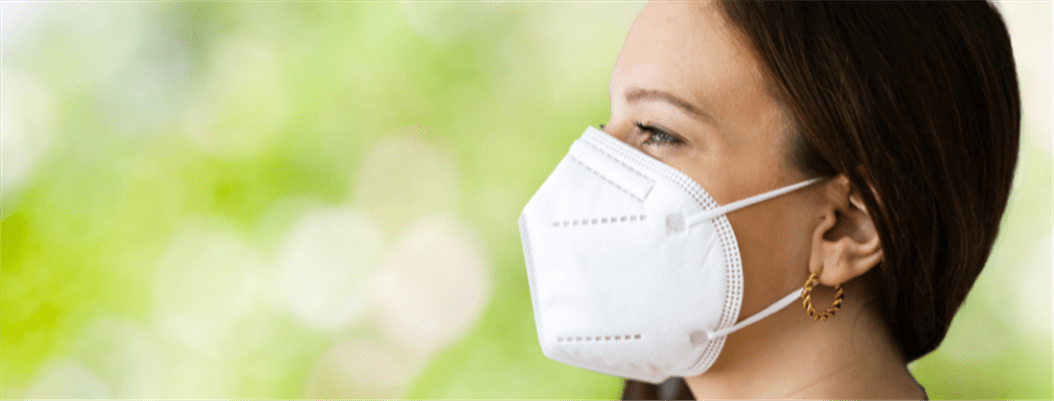
In an increasingly interconnected world, where global health concerns can quickly become local realities, the humble respirator mask has transformed from an occupational safety device into a household essential. Yet, navigating the alphabet soup of FFP2, N95, and KN95 designations can be a bewildering task for even the most conscientious consumer. While all three are designed to offer a high level of protection against airborne particles, understanding their underlying standards and unique testing protocols is crucial for making an informed choice. This article will demystify these key differences, helping you understand what each designation truly means for your safety.
Deciphering the FFP2 Standard: European Excellence
The Ffp2 Mask is a filtering facepiece respirator (FFP) certified under European standards, specifically EN 149:2001+A1:2009. The "2" in FFP2 denotes its protection level within this strict regulatory framework. These respirators are engineered to create a snug seal around the nose, mouth, and chin, effectively preventing the inhalation of hazardous airborne particles, including fine dust, smoke, and liquid aerosols. While historically vital in industrial settings for protecting workers from occupational hazards, FFP2 masks achieved widespread public prominence during the COVID-19 pandemic, becoming a mandatory safeguard in many European public spaces to curb viral transmission.
The robust protective capability of an FFP2 mask is not merely a claim but a rigorously tested fact, governed by the precise criteria of the EN 149 standard. At its core, certification hinges on two critical performance indicators:
- Filtration Efficiency: An FFP2 mask must demonstrate a minimum filtration efficiency of 94% of airborne particles. This is rigorously tested using specialized aerosols. Crucially, the European standard mandates testing against *both* non-oily particles (using sodium chloride) and oily particles (using paraffin oil), typically with particle sizes around 0.3 microns. This dual testing ensures the mask performs reliably across a broader range of real-world environmental conditions.
- Total Inward Leakage (TIL): Filtration efficiency alone is insufficient without a proper seal. TIL measures the total amount of aerosol that manages to penetrate the mask, both through the filter material and any gaps in the face seal. To achieve FFP2 certification, the maximum allowable TIL rate is a stringent 8%. This isn't just a lab test; it's assessed on human subjects performing various movements to simulate typical activities, guaranteeing the mask maintains its protective seal even under dynamic use. For general daily use, some reputable manufacturers aim for a total leakage even lower, often quoted around 11% as a maximum acceptable real-world performance, though the certification threshold remains 8%.
Beyond these primary requirements, the EN 149 standard also scrutinizes breathing resistance, ensuring the mask doesn't impede normal respiration, and mechanical strength, guaranteeing its durability. Manufacturers of certified FFP2 masks are required to prominently display the standard and classification (e.g., “EN 149 FFP2”), along with the CE mark and the unique four-digit identification number of the Notified Body that independently certified the product. For a deeper dive into these certification details, explore our article on FFP2 Mask Certification: Unpacking EN 149 Filtration & Leakage.
N95 vs. KN95: American and Chinese Standards
While the FFP2 mask represents the European benchmark, its counterparts across the globe, the N95 and KN95, are designed with a similar overarching goal: to provide effective respiratory protection. However, they operate under distinct national and regional regulatory frameworks, leading to notable differences in their testing methodologies.
- N95 Mask: The American Standard
The N95 respirator is regulated by the U.S. National Institute for Occupational Safety and Health (NIOSH). Under this standard, an N95 mask must filter at least 95% of airborne particles. A key differentiator from FFP2 is NIOSH's testing protocol, which primarily requires testing against solid (sodium chloride) particles only. While widely trusted in healthcare and industrial sectors across the United States, this specific testing parameter highlights a philosophical difference in assessing protection against various types of aerosols. - KN95 Mask: The Chinese Standard
Originating from China, the KN95 standard (GB2626-2006, and its subsequent update GB2626-2019) also mandates a minimum filtration efficiency of 95% of airborne particles. Superficially, this percentage aligns closely with the N95. Historically, the KN95 standard included testing against solid particles similar to N95. However, it's important to note that the regulatory landscape for KN95s saw significant evolution and scrutiny during the pandemic, with concerns sometimes raised about the consistency of manufacturing quality and enforcement of standards, particularly with imports into Western markets.
Beyond the Numbers: Key Differences in Testing & Application
On the surface, the 94% filtration of an FFP2 mask and the 95% of an N95 or KN95 might seem like a negligible difference, and for most general public health applications, it often is. The critical distinctions truly emerge when examining the underlying testing requirements and regulatory oversight.
- Aerosol Type Testing: The most significant technical difference lies in the type of aerosols used for testing. As established, the European FFP2 standard rigorously tests against *both* liquid (paraffin oil) and solid (sodium chloride) aerosols. This means an FFP2 mask is certified to maintain its filtration efficiency even when exposed to oily mists, which can challenge some filter materials differently than solid particles. In contrast, the N95 standard only requires testing against solid (sodium chloride) particles. While the KN95 standard historically included solid particle testing, like the N95, some iterations and interpretations during rapid production surges might not have consistently applied or enforced liquid aerosol resistance. This makes the FFP2's dual-aerosol testing a notable advantage for environments where exposure to oily mists or liquid aerosols (like respiratory droplets) is a concern.
- Total Inward Leakage (TIL) Consistency: While all standards generally aim for a good fit, the FFP2's strict 8% maximum TIL tested on human subjects under dynamic conditions is a robust measure of real-world performance. While N95 and KN95 standards also have fit requirements, the specifics of these tests and the maximum allowable leakage can vary, sometimes relying more on qualitative fit tests.
- Regulatory Oversight: The certification bodies themselves are a fundamental difference. NIOSH in the U.S. is a well-established, government-backed agency with a long history of stringent oversight. European Notified Bodies provide independent third-party certification under the EN 149 standard, ensuring compliance with EU directives. For KN95s, while the GB2626 standard is clear, the enforcement and the proliferation of manufacturers during peak demand led to a more varied landscape regarding quality and authenticity.
For everyday use by the general public, where the primary goal is often protection against respiratory droplets and general airborne irritants, the performance difference between a genuine FFP2, N95, or KN95 is often minimal. The single most important factor, regardless of the standard, remains a proper, tight fit to the wearer's face.
Choosing the Right Respirator: Practical Advice and Safety Tips
Understanding the standards is the first step; applying that knowledge to make safe choices is the next. Here are some practical tips for selecting and using your respirator effectively:
- Prioritize Authenticity: Counterfeit masks are a serious concern. For an Ffp2 Mask, always look for the "CE" mark followed by a four-digit number, which identifies the Notified Body. For N95s, verify the NIOSH approval stamp on the mask itself and check the NIOSH Certified Equipment List. For KN95s, purchasing from trusted, established retailers is paramount, as counterfeits were particularly prevalent during the pandemic.
- Fit is Paramount: A respirator, regardless of its filtration rating, cannot protect you if it doesn't form a tight seal. Perform a user seal check every time you put on your mask:
- Cup both hands over the mask.
- Exhale sharply.
- If you feel air leaking from the edges, adjust the mask or straps until a seal is achieved.
- Understand Exhalation Valves: Some respirators come with exhalation valves. While these can make breathing easier for the wearer, they do not filter exhaled air, meaning they offer less source control (protection for others) and may not be suitable in sterile environments or where protecting others is the primary goal. For maximum two-way protection, choose valveless masks.
- Proper Donning and Doffing: Always wash or sanitize your hands before and after touching your mask. Handle it by the ear loops or headbands, avoiding touching the front filter material.
- When to Replace Your Mask: Generally, respirators like FFP2, N95, and KN95 are designed for single use or limited reuse. Replace your mask if it becomes soiled, wet, damaged, or if breathing becomes noticeably more difficult. During times of high transmission or prolonged use, replacement should be more frequent.
- Consider Your Environment: While FFP2, N95, and KN95 offer excellent general protection, specific occupational hazards might require specialized respirators (e.g., those for chemical vapors). Always consult occupational health guidelines for specific workplace applications.
Understanding the distinctions between FFP2, N95, and KN95 masks goes beyond mere percentages; it’s about appreciating the rigorous testing and regulatory frameworks that underpin their protective capabilities. While a genuine mask from any of these categories will offer substantial protection, the FFP2's comprehensive dual-aerosol testing offers an additional layer of assurance for a broader range of airborne threats. Ultimately, the best respirator is one that is authentically certified, fits correctly, and is worn consistently and properly, empowering you to breathe a little easier in an uncertain world.